 6c796bf582
* docs: added a note about min node version in admin

* docs: added a link to Vite documentation
4.1 KiB
Medusa Admin Quickstart
This document will guide you through setting up the Medusa admin in minutes, as well as some of its features.
Prerequisites
Medusa Server
The Medusa admin is connected to the Medusa server. So, make sure to install the Medusa server first before proceeding with the admin. You can check out the quickstart guide to install the Medusa server.
:::tip
If you’re not very familiar with Medusa’s architecture, you can learn more about it in the Architecture Overview.
:::
Node.js
As Medusa Admin uses Vite 3, it requires versions 14.8+ or 16+. You can check which version of Node you have by running the following command:
node -v
You can install Node from the official website.
Instant Deployment to Netlify
Instead of manually following this guide to install then later deploy the Medusa Admin, you can deploy the Medusa Admin to Netlify with this button:

Install the Admin
Start by cloning the Admin GitHub repository and changing to the cloned directory:
git clone https://github.com/medusajs/admin medusa-admin
cd medusa-admin
Then, install the dependencies:
npm install
Test it Out
Before running your Medusa admin, make sure that your Medusa server is running.
:::tip
To run your Medusa server, go to the directory holding the server and run:
npm run start
:::
Then, in the directory holding your Medusa admin, run the following to start the development server:
npm run start
By default, the admin runs on port 7000. So, in your browser, go to localhost:7000 to view your admin.
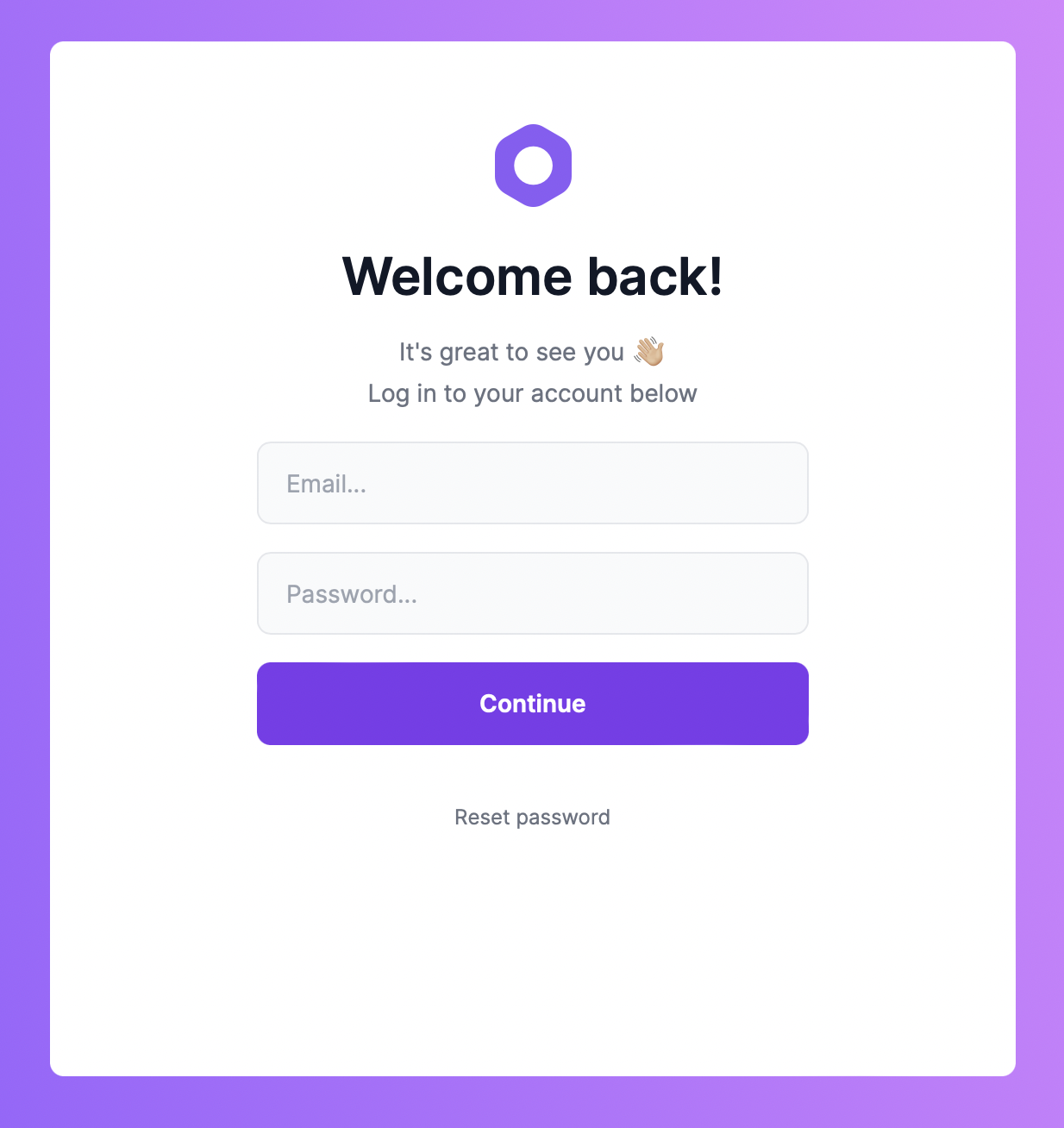
Use your Medusa admin’s user credentials to log in.
:::tip
If you installed the demo data when you installed the Medusa server by using the --seed option or running:
npm run seed
You can use the email admin@medusa-test.com and password supersecret to log in.
:::
Create a New Admin User
To create a new admin user from the command line, run the following command in the directory holding your Medusa server:
medusa user -e some@email.com -p some-password
This will create a new user that you can use to log into your admin panel.
Changing the Default Port
The default port is set in package.json in the develop script:
"develop": "gatsby develop -p 7000",
If you wish to change the port you can simply change the 7000 to your desired port.
However, if you change your Medusa admin port, you need to change it in your Medusa server. The Medusa server has the Medusa admin and store URLs set in the configurations to avoid Cross-Origin Resource Sharing (CORS) issues.
To change the URL of the Medusa admin in the server, add a new environment variable ADMIN_CORS or modify it if you already have it to your Admin URL:
ADMIN_CORS=<YOUR_ADMIN_URL>
Make sure to replace <YOUR_ADMIN_URL> with your URL.
:::info
For more details about the Admin CORS configuration, check out the Configure your Server documentation.
:::
Admin User Guide
Medusa admin provides a lot of ecommerce features including managing Return Merchandise Authorization (RMA) flows, store settings, products, orders, and much more.
You can learn more about Medusa admin and its features in the User Guide.
What’s Next
- Install the Next.js or Gatsby storefront starters.
- Learn how you can use
create-medusa-appto install all of Medusa’s 3 components.